Category Archives: non-profit

Thinking about a social enterprise? Pitch your idea and win

Pitching SE- How Great Leaders Sell Smart Ideas 

Pitching SE is your opportunity to refine your pitch, focus your ideas and wow a panel of seasoned judges. A panel of experienced non-profit and social investors will evaluate your pitch, and provide feedback and constructive advice.

Eligibility

You don’t need a business plan – just a business idea with significant social impact.

Your idea can be for a non-profit or for-profit or any combination.

It needs to be early stage/less than a year old – operations started after September 1, 2009.

How to apply

Applicants should be a registered attendee for ForSE 2010 and is required of all applicants, It is non-refundable if you are not selected. Applicants should mail the following information to pitchforse@tie-boston.org by 11.59 pm EST October 21, 2010.

  • Name of organization.
  • Names of team members.
  • School affiliation (if applicable).
  • A two page (1000 word) Executive Summary of the business idea.
  • Brief bios (1-2 para) of team members. This will not be counted towards the 2 pg limitation. Continue reading
How to get started with Twitter to get your message out

With the all the buzz about Facebook, Twitter and other social media tools, organizations feel pressured into incorporating these tools into their marketing arsenal. Non-profits specially are interested in leveraging social networks as cost effective sources of volunteers and supporters and are seeking ways to convert followers to funders and donors. All of them are looking for guidance in getting started.

Based on my experience working with a number of startups, and from discussions with several others, I have compiled a quick list of do’s and don’ts that I hope will provide some guidelines to help you get started. Continue reading

Boston experiences water issues that 1 Billion people live with daily

Saturday morning, as families in Boston planned for a gorgeous spring day, a ten foot water pipe, that brought water to over 2 million Boston residents, ruptured.  Over 200 million gallons of water gushed out at a rate of 8 million gallons per hour. Authorities declared a state of emergency and imposed a blanket order for homeowners and businesses to boil the untreated water now flowing from their taps. Chaos and panic spread through the populace.  A run on bottled water at stores resulted in scuffles and rumors of price gouging for clean water were rampant. Continue reading

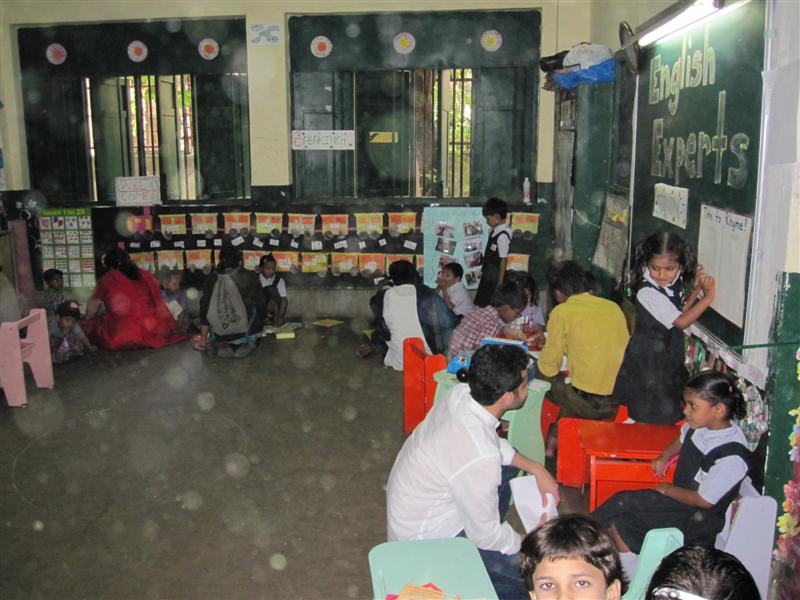
Akanksha – engaging children in education

Akanksha Classroom

Typical Akanksha Classroom

Last year we had the chance to host Vandana Goyal and Ruchika Gupta from Akanksha when they visited Boston. Over the years we had heard of the wonderful work this NGO had been doing in India and it was great to hear about their plans for expansion when they presented to a small group of interested folks at MIT. When we decided to visit India around December, we made sure that we had set aside some time to visit Akanksha at one of their facilities.    

Twenty years ago, the first Akanksha center opened for children from the slum communities of Mumbai, an innovative after school program designed to provide them with fun, engaging learning opportunities. Founded by Shaheen Mistri at the age of 18, these centers develop children’s English language fluency as well as equip them to go on to college, attain a good job and become change agents in their communities. Today, over 80% of Akanksha children go on to college to begin professional careers compared to only 30% of Indian children who successfully complete the 10th grade.     Continue reading

Some reflections on Martin Luther King and non-profit leadership

Yesterday I had the opportunity to volunteer with a group at the Greater Boston Food Bank. After spending some time on the production line, and given the past weekend celebrating Martin Luther King, the group was asked to reflect on what Martin Luther King might have done in light of what we had seen and experienced, at the Greater Boston Food Bank as well as the larger set of social issues that we are exposed to in our daily lives. Continue reading